The Homeowner's Guide to Insulation in Indiana
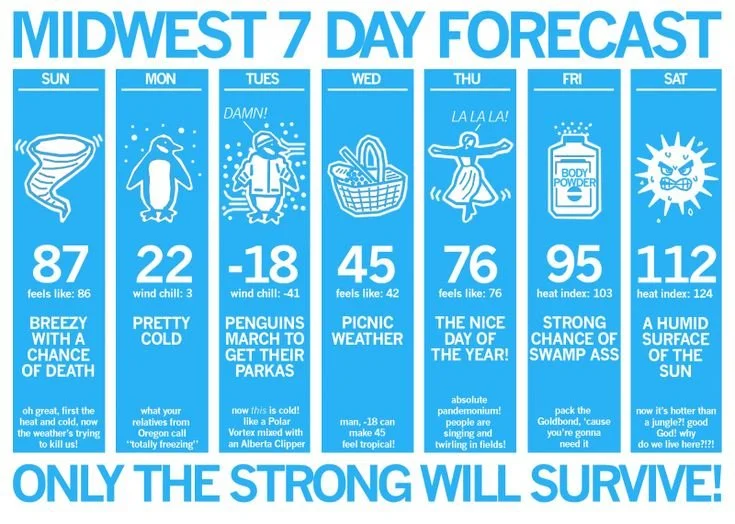
If you live in the Midwest, you probably know the saying that if you don't like the weather today, just wait until tomorrow. Midwest weather is a crazier roller coaster than an abusive relationship. And your house suffers just as much as you do (maybe more because it's always outside). Conditioning your house year-round isn't just about having the best HVAC system (cue the HVAC experts screaming at my receding figure). It's about making every calorie of energy that your system consumes count. This guide is made for homeowners who are considering building a new home or upgrading the one that they have.
Most of the Midwest rests in Climate Zones 4A, 5A, and 6A. What that means is long, cold winters, warm, humid summers, and enough temperature swings to make your thermostat develop a personality. Insulation has two jobs: keep heat inside during the winter and keep heat outside during the summer. So basically, heat is the thermodynamic equivalent of that one kid at the county fair who is always trying to go places he or she shouldn't. Heat naturally moves toward cooler areas, so in the winter it's trying to get out, and in the summer it's trying to get in.
A common misconception is that insulation creates warmth. It doesn't. What it actually does is slow down the movement of heat and give your HVAC system time to do its job. Insulating a house is like adding a heavy coat to your house. (That might make it seem evident that insulation would make your house warmer during the summer because I've never seen anyone wearing a coat in July, but the reality is that your house isn't producing heat internally like a living organism, aka you.)
If you've been researching insulation for any amount of time, you've probably seen the term R-value. R-value is a measurement of how well insulation resists heat flow. Higher isn't always better due to diminishing returns, but too little is definitely a problem. Heat moves in three ways; convection, conduction, and radiation. Convection is what you learned about in middle school science. The concept is simple, a surface is heated, warm air rises, cold air replaces it, the cold air is heated and rises, so on and so forth. Conduction is heat moving through a material because there is a temperature difference, or ΔT, across it. Think of a solid steel rod with one end sitting on a heating surface versus a piece of wood. The steel conducts heat much more readily than the wood. Thermal radiation is electromagnetic energy, primarily infrared at ordinary building temperatures, emitted by surfaces because of their temperature. A hot roof surface can radiate energy directly across an attic air space to cooler surfaces below it. Nothing has to travel through the insulation first.
Now that we've covered the ways that heat moves, we'll cover the places that your home can lose its conditioned air. The first place to ensure that your home is insulated properly is the attic. Warm air rises, and when there's no insulation holding up a big red stop sign, it'll make its merry way right out of your home. The nice part is that attics are usually easy to insulate well. Cathedral ceilings are much more difficult to reinsulate, so make sure they're done properly the first time around. The next place to blame for your energy loss is your exterior walls. A lot of older homes, especially those built in the 1960s or earlier, often don't have any insulation in the walls and are extremely drafty. Something to keep in mind when insulating walls is that R-value isn't the most important thing. The more important thing to look for is how continuous that insulation is. Small gaps in your wall insulation will leak an extreme amount of air. Full stop. Uninsulated crawlspaces and basements are another big reason that your house is uncomfortable and you feet are always cold. Usually, crawlspaces need insulation more urgently than basements because they don't benefit from the equalizing effect of being buried six feet or more into soil that stays thermally stable. Band joists are very important. These are the wooden framing members sitting on top of your foundation and supporting your first-story walls. They're often overlooked but are a big conductor and radiator of nasty temperatures. Another thing that is often overlooked in the insulating process is air sealing. Unfortunately, there aren't many great ways to air seal after a home is built, so if you're building a new home, keep air sealing in consideration when choosing your insulation.
Now here's what you came for: my breakdown of the different types of insulation.
Cellulose Insulation
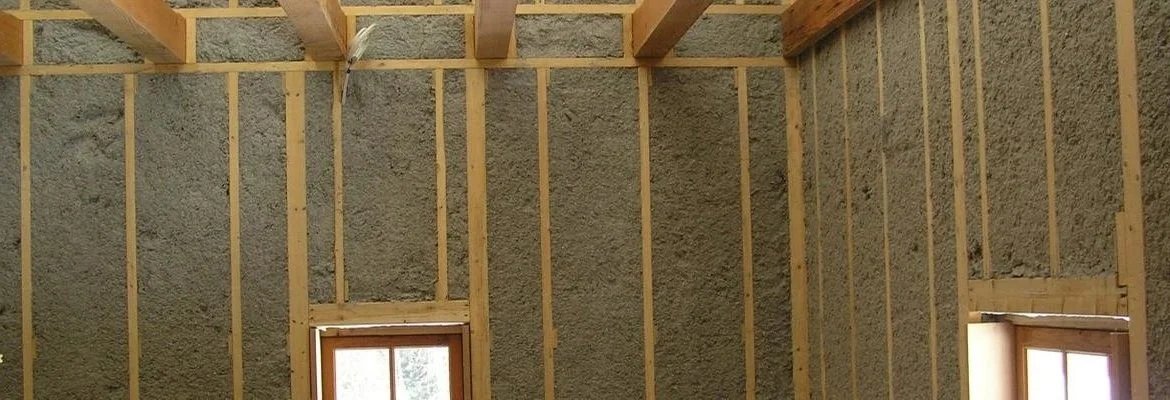
Cellulose Wall Spray
The most versatile insulation with great price-to-performance.
It's made from recycled paper and treated for fire and pest resistance.
Pros
Excellent air sealing when installed with sufficient density
Fills around pipes and wiring by default
Great (insane) sound reduction
Uses recycled materials
Cons
The finished product is very dependent on the skill of the installer
Can settle if installed improperly
It's best for
Attics
Retrofit walls and attics
New homes
Fiberglass
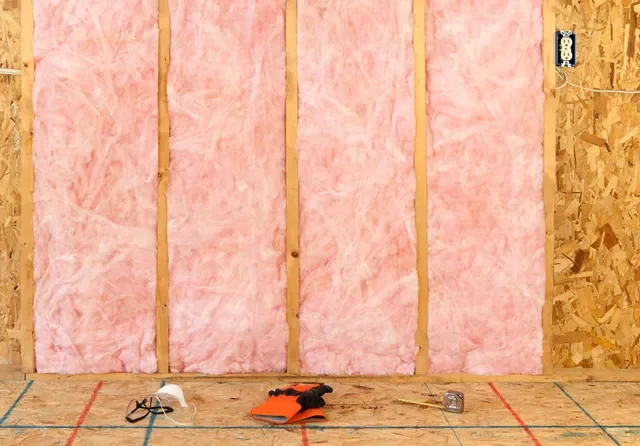
Fiberglass Batt Insulation
Probably the most recognizable insulation.
Pros
Widely available
Low material cost
Cons
Performance can drop if compressed or installed with gaps
Doesn't reduce air movement very effectively
Best for
Small additions
DIY projects
Budget-conscious projects
Spray Foam
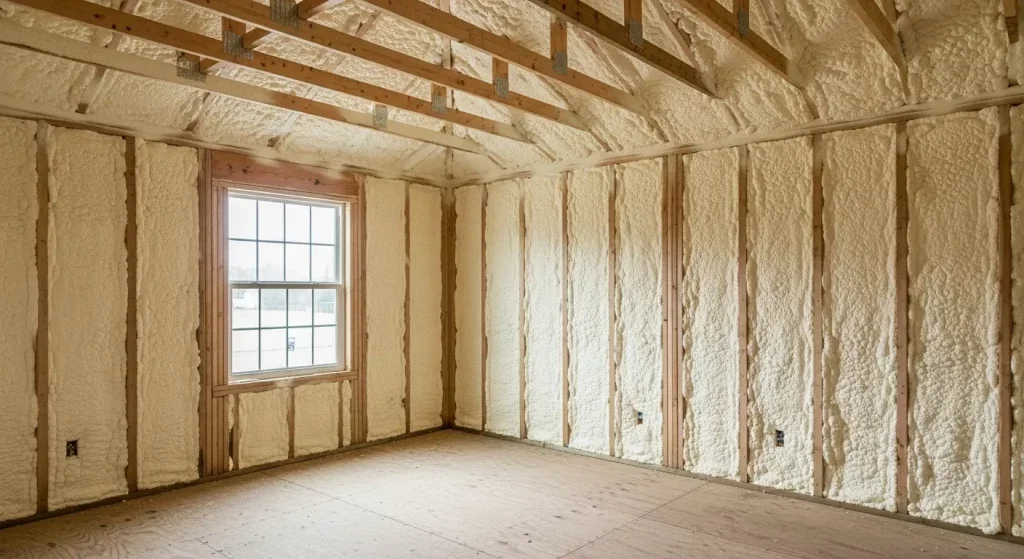
Closed Cell Spray Foam Encapsulation
A great insulation for certain applications.
Pros
Exceptional air sealing
High R-value per inch (closed-cell)
Excellent for difficult areas
Cons
High upfront cost
Installation quality is critical
Not every project benefits enough to justify the expense
Best for
Band joists
Difficult framing
Rooflines
Crawlspaces
Mineral Wool Batts
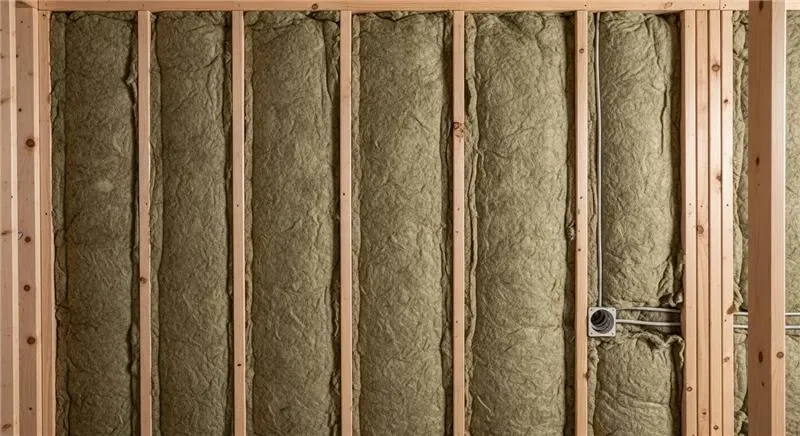
Mineral Wool Batt Insulation
An increasingly popular option.
Pros
Extremely fire resistant
Water resistant
Excellent sound control
Cons
Higher material cost
Extremely difficult to install with no gaps
Best for
Small projects
Knee walls
Now that you know everything about insulation, we'll ask the question: does insulation always help? The short answer is no. Adding lots and lots of insulation will produce diminishing returns on investment. That's a fact. For example, increasing attic insulation from R-19 to R-50 will bring a noticeable difference, but going from R-50 to R-80 usually won't be worth it for a standard building. That's why a good insulator views a home as an entire system and not just an attic and some walls that need to be filled with something. Sometimes changing your windows can do more than you think because windows are part of your building envelope and can make a huge difference.
Here are some signs that you need an insulation upgrade:
High heating or cooling bills
Rooms that are always too hot or too cold
Ice dams forming every winter
Drafty rooms
Uneven temperatures between floors
HVAC equipment running constantly
Cold floors during winter
None of these are conclusive proof that you need insulation. It could mean that your HVAC system needs lots of work (why is that so depressing).
Will new insulation pay for itself? Sometimes it pays gradually, and sometimes very quickly. The answer depends on a lot of factors:
How much insulation you already have
Energy prices
Home size
Heating system efficiency
Beyond the lower energy bills, you'll also get:
More consistent indoor temperatures
Fewer drafts
Less outside noise
Reduced strain on heating and cooling equipment
It's hard to quantify a dollar value to comfort, but it definitely counts in the decision.
The bottom line is that insulation isn't flashy. Nobody invites the bros over to admire perfect insulation. Insulators do, but we're a little psycho anyway. Good insulation does its job every day, summer or winter. It keeps your home warm in January and cool in July. It lowers energy waste and makes your home more comfortable without asking for compliments or a monthly subscription. If you're considering an insulation upgrade, start with an assessment of the areas that matter most. A good contractor should explain why they recommend a particular solution, discuss the tradeoffs honestly, and tailor the approach to your home instead of selling the same product for every situation. A blower door test is almost always a good idea in a retrofit scenario because it can show exactly how your home is behaving and where it needs some help. Ultimately, the best insulation isn't the most expensive one. It's the one that's installed correctly, in the right place, for the right reason. Physics plays pretty nicely when you let it think that it's getting its own way.